

Understanding Pneumonia: Causes, Symptoms, Treatment, and Lifestyle Changes
Share this blog post with your friends
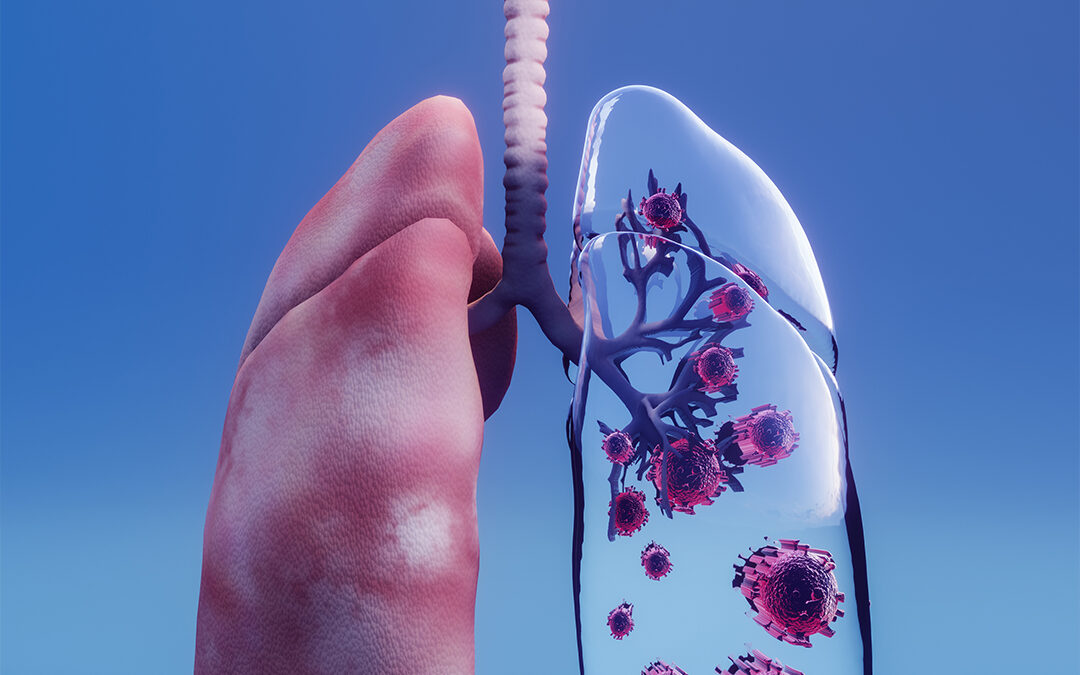
Pneumonia is a lung infection caused by various pathogens, presenting symptoms like cough, fever, and difficulty breathing. Treatment typically involves antibiotics or antiviral medications, depending on the cause. Lifestyle changes, such as quitting smoking and maintaining good hygiene, can aid recovery and prevent future occurrences.
Key Highlights:
- Causes: Bacteria, viruses, fungi, and other microorganisms.
- Symptoms: Persistent cough, fever, chills, shortness of breath, and chest pain.
- Treatment: Antibiotics for bacterial pneumonia, antiviral drugs for viral types, and antifungals for fungal pneumonia.
- Lifestyle Changes: Quit smoking, practice regular hand hygiene, maintain a healthy diet, stay hydrated, and get vaccinated.
Every year, pneumonia affects millions worldwide, standing as a leading cause of illness and death, especially among the elderly and young children. According to the World Health Organization, pneumonia accounts for approximately 15% of all deaths of children under five years old. This statistic underscores the critical impact of pneumonia on global health.
Pneumonia arises from an infection that inflames the air sacs in one or both lungs, which can fill with fluid or pus, making breathing painful and limiting oxygen intake. Various factors, including age, immune system strength, and underlying health conditions, influence an individual’s susceptibility to pneumonia. Understanding these factors is essential for effective prevention and management.
Recognizing the signs early and seeking appropriate treatment can significantly improve outcomes. By exploring the causes, symptoms, treatment options, and necessary lifestyle adjustments, individuals can better manage pneumonia and reduce the risk of future infections.
Causes of Pneumonia
Different types of pathogens can cause pneumonia, each requiring specific approaches for treatment and prevention.
Bacterial Pneumonia
Bacterial pneumonia is one of the most common forms, often caused by Streptococcus pneumoniae. Other bacteria, such as Haemophilus influenzae and Legionella pneumophila, can also lead to infection. This type typically develops after a person has been infected with a virus, such as the flu, which weakens the immune system.
Viral Pneumonia
Viruses like influenza, respiratory syncytial virus (RSV), and the novel coronavirus (SARS-CoV-2) are common culprits of viral pneumonia. These infections can spread easily, especially in crowded environments, and are more prevalent during certain seasons.
Fungal Pneumonia
Fungal pneumonia is less common and usually affects individuals with weakened immune systems. Fungi such as Pneumocystis jirovecii, Histoplasma capsulatum, and Coccidioides species can cause this type of pneumonia, often through inhaling spores from the environment.
Aspiration Pneumonia
This occurs when foreign materials, like food, drink, or vomit, are inhaled into the lungs, leading to infection. Individuals with swallowing difficulties or impaired consciousness are at higher risk.
Hospital-Acquired Pneumonia
Contracted during a hospital stay, this type is often caused by more resistant bacteria. Patients on ventilators or with prolonged hospital stays are particularly susceptible.
Symptoms of Pneumonia
Recognizing pneumonia early can lead to prompt treatment and better outcomes. Symptoms can range from mild to severe, depending on the type of pneumonia and the individual’s overall health.
Common Symptoms
- Cough: Persistent cough, often producing green or yellow mucus.
- Fever: High temperature accompanied by sweating and chills.
- Shortness of Breath: Difficulty breathing or rapid, shallow breaths.
- Chest Pain: Sharp or stabbing pain that worsens with deep breaths or coughing.
- Fatigue: Persistent tiredness and weakness, even after minimal activity.
Additional Symptoms
- Headache: Often accompanies the fever and is caused by inflammation.
- Muscle Pain: General aches and pains throughout the body.
- Gastrointestinal Issues: Nausea, vomiting, or diarrhea, particularly in viral pneumonia.
- Confusion: Especially in older adults, confusion or changes in mental awareness can occur.
Diagnosis of Pneumonia
Accurate diagnosis is crucial for effective treatment. Healthcare providers use a combination of methods to confirm pneumonia.
Physical Examination
A doctor listens to the lungs using a stethoscope to detect abnormal sounds like crackles or wheezing. These sounds can indicate fluid in the air sacs.
Imaging Tests
- Chest X-Ray: The most common imaging test to visualize lung inflammation and fluid accumulation.
- CT Scan: Provides more detailed images, helping to identify complications or underlying conditions.
Laboratory Tests
- Sputum Test: Analyzes mucus from the lungs to identify the causative organism.
- Blood Tests: Detect infections and assess overall health.
- Pulse Oximetry: Measures oxygen levels in the blood to determine the severity of the infection.
Treatment Options for Pneumonia
Treatment varies based on the pneumonia type, severity, and patient health. Prompt and appropriate therapy is essential for recovery.
Antibiotic Therapy
For bacterial pneumonia, antibiotics are the primary treatment. The choice of antibiotic depends on the specific bacteria causing the infection. It’s crucial to complete the full course to prevent resistance.
Antiviral Medications
In cases of viral pneumonia, antiviral drugs may be prescribed, especially if diagnosed early. These medications can reduce the severity and duration of symptoms.
Antifungal Treatments
Fungal pneumonia requires antifungal medications tailored to the specific fungus responsible. Treatment duration can be longer and depends on the infection’s severity.
Supportive Care
- Rest: Essential for the body to fight the infection.
- Hydration: Drinking plenty of fluids helps thin mucus and facilitates breathing.
- Fever Management: Over-the-counter medications like acetaminophen or ibuprofen can reduce fever and discomfort.
- Oxygen Therapy: In severe cases, supplemental oxygen may be necessary to maintain adequate oxygen levels.
Hospitalization
Individuals with severe pneumonia, those who are at higher risk for complications, or those not responding to outpatient treatment may require hospitalization for intensive care and monitoring.
Lifestyle Changes to Aid Recovery and Prevention
Adopting certain lifestyle adjustments can support recovery from pneumonia and reduce the risk of future infections.
Quit Smoking
Smoking damages the lungs and weakens the immune system, increasing susceptibility to pneumonia. Quitting smoking improves lung function and overall health.
Maintain Good Hygiene
Regular handwashing and using hand sanitizers can prevent the spread of infectious agents that cause pneumonia. Avoiding close contact with sick individuals is also beneficial.
Healthy Diet
A balanced diet rich in fruits, vegetables, lean proteins, and whole grains strengthens the immune system, helping the body fend off infections.
Stay Hydrated
Drinking adequate fluids keeps the mucus membranes moist, making it easier to clear infections from the respiratory tract.
Regular Exercise
Engaging in regular physical activity enhances lung capacity and overall fitness, contributing to better respiratory health.
Vaccinations
Vaccines like the pneumococcal vaccine and the annual flu shot can prevent pneumonia caused by specific bacteria and viruses.
Manage Chronic Conditions
Proper management of chronic diseases such as asthma, diabetes, and heart disease can reduce the risk of developing pneumonia.
Complications of Pneumonia
If not treated promptly and effectively, pneumonia can lead to serious complications, particularly in vulnerable populations.
Acute Respiratory Distress Syndrome (ARDS)
A severe condition where the lungs cannot provide enough oxygen to the body, requiring intensive care and mechanical ventilation.
Sepsis
A life-threatening response to infection that can lead to tissue damage, organ failure, and death if not managed promptly.
Lung Abscess
A pus-filled cavity in the lung that may require prolonged antibiotic therapy or surgical intervention.
Pleural Effusion
Accumulation of fluid between the layers of tissue lining the lungs and chest cavity, often requiring drainage.
Respiratory Failure
When the lungs fail to provide sufficient oxygen to the body or remove carbon dioxide, it necessitates advanced medical support.
Prevention Strategies
Preventing pneumonia involves a combination of lifestyle choices, vaccinations, and proactive health measures.
Vaccination
Staying up-to-date with recommended vaccines is crucial. The pneumococcal vaccine protects against common bacterial causes, while the flu vaccine guards against viral strains that can lead to pneumonia.
Good Hygiene Practices
Frequent handwashing, avoiding close contact with sick individuals, and maintaining a clean environment reduce the risk of infection.
Boosting Immunity
A strong immune system can effectively fight off infections. This involves maintaining a healthy diet, regular exercise, adequate sleep, and stress management.
Avoiding Smoking and Pollution
Exposure to tobacco smoke and environmental pollutants damages the lungs, making them more susceptible to infections like pneumonia.
Regular Health Check-Ups
Routine medical examinations can help identify and manage underlying health conditions that increase pneumonia risk.
Safe Food and Water Practices
Consuming clean, properly cooked food and safe drinking water prevents infections that can lead to pneumonia.
When to Seek Medical Attention
Recognizing when to seek professional help is vital for preventing pneumonia from worsening.
Severe Difficulty Breathing
If breathing becomes labored or rapid, immediate medical attention is necessary.
Persistent High Fever
A sustained high temperature indicates a significant infection that may require prompt treatment.
Chest Pain
Experiencing sharp or persistent chest pain alongside other symptoms should prompt a visit to a healthcare provider.
Confusion or Changes in Mental Awareness
These symptoms, especially in older adults, can signal severe pneumonia complications requiring urgent care.
Persistent Vomiting or Diarrhea
These can lead to dehydration, complicating pneumonia recovery.
Living with Pneumonia
Managing pneumonia involves not only medical treatment but also emotional and psychological support.
Emotional Support
Dealing with pneumonia can be stressful. Seeking support from family, friends, or support groups can aid in emotional well-being.
Follow Medical Advice
Adhering to prescribed treatments and follow-up appointments ensures effective recovery and reduces the risk of complications.
Monitor Symptoms
Keeping track of symptoms and reporting any worsening conditions to a healthcare provider can prevent severe outcomes.
Rest and Recovery
Prioritizing rest allows the body to focus energy on fighting the infection and healing.
Conclusion
Pneumonia remains a significant health challenge, but understanding its causes, recognizing its symptoms, and pursuing appropriate treatments can lead to effective management and recovery. By implementing necessary lifestyle changes and preventive measures, individuals can reduce their risk of contracting pneumonia and enhance their overall respiratory health. Staying informed and proactive is key to overcoming this common yet serious lung infection. If you or someone you know exhibits symptoms of pneumonia, seeking medical attention promptly can make a crucial difference in recovery outcomes.