

Maintaining Healthy Eyes for Better Vision
Share this blog post with your friends
Maintaining healthy vision involves a combination of proper nutrition, regular eye check-ups, protective measures against strain and injuries, and healthy lifestyle choices. Simple habits like taking breaks from screens, wearing sunglasses, and ensuring adequate lighting can significantly improve eye health and preserve vision over time.
Vision plays a crucial role in our daily lives, influencing how we interact with the world around us. According to the World Health Organisation, approximately 2.2 billion people globally have a vision impairment or blindness, with many cases preventable through proper eye care. In the United States alone, around 14 million individuals aged 12 and older experience vision impairment, underscoring the importance of maintaining eye health.
Eye health is not only about preventing diseases but also about enhancing the quality of life. Modern lifestyles, characterised by prolonged screen time and exposure to various environmental factors, pose additional challenges to maintaining optimal vision. Understanding how to care for your eyes effectively can lead to better vision and overall well-being.
Taking proactive steps to protect and nurture your eyes ensures that you can enjoy clear and comfortable vision throughout your life. From dietary choices to daily habits, several strategies can help preserve and improve eye health. This comprehensive guide explores practical ways to take care of your eyes, offering insights and actionable tips to achieve better vision.
Understanding Eye Health
Eye health encompasses the overall condition of your eyes and their ability to function effectively. It involves not just the absence of diseases but also the maintenance of optimal visual performance. Recognising the factors that contribute to eye health is the first step towards implementing effective care strategies.
Anatomy of the Eye
To take care of your eyes, it’s essential to understand their basic structure. The eye consists of several key components:
- Cornea: The clear, dome-shaped surface that covers the front of the eye, focusing light.
- Lens: Adjusts focus to allow clear vision at various distances.
- Retina: The light-sensitive layer at the back of the eye, converting light into electrical signals sent to the brain.
- Optic Nerve: Transmits visual information from the retina to the brain.
- Vitreous Humour: The clear gel filling the space between the lens and retina, maintaining the eye’s shape.
Each part plays a vital role in vision, and understanding their functions can guide effective eye care practices.
Common Eye Conditions
Several eye conditions can affect vision and overall eye health:
- Refractive Errors: Includes myopia (nearsightedness), hyperopia (farsightedness), and astigmatism, affecting how light focuses on the retina.
- Cataracts: Clouding of the lens leading to blurry vision, commonly occurring with age.
- Glaucoma: Increased intraocular pressure damages the optic nerve, potentially causing blindness if untreated.
- Macular Degeneration: Deterioration of the central part of the retina, leading to loss of central vision.
- Diabetic Retinopathy: Damage to the blood vessels in the retina caused by diabetes, potentially leading to vision loss.
Early detection and management of these conditions are crucial for maintaining good vision.
Importance of Regular Eye Exams
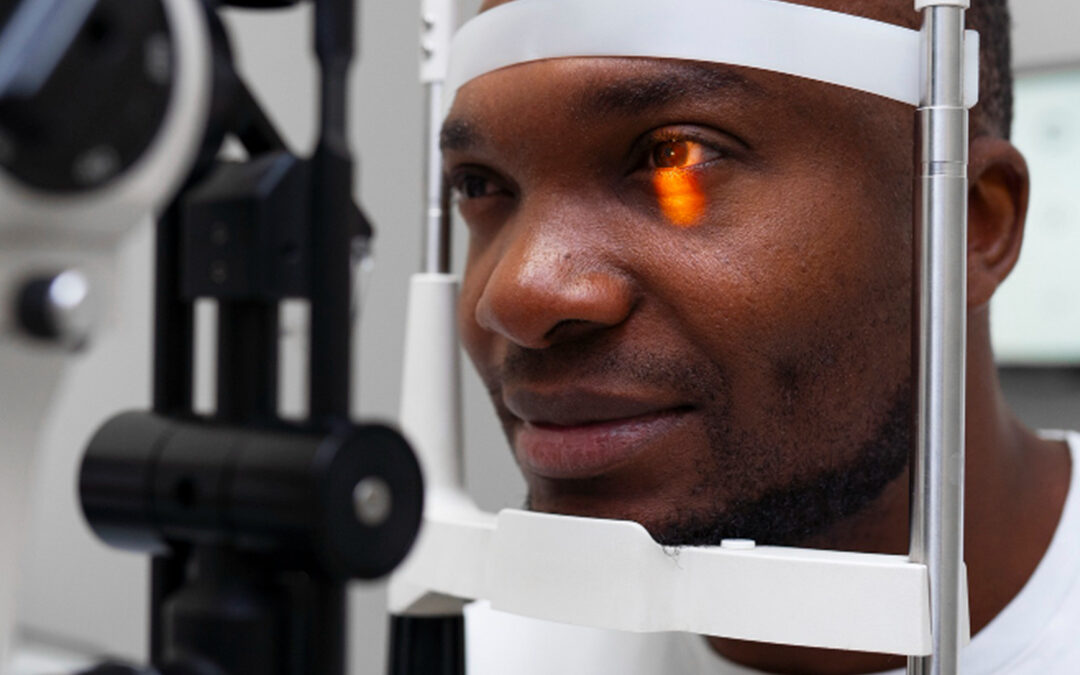
Regular eye examinations are fundamental to maintaining eye health and ensuring early detection of potential issues. Eye exams go beyond checking for vision clarity; they assess the overall health of your eyes and can identify underlying conditions before symptoms manifest.
What to Expect During an Eye Exam
During an eye exam, an optometrist or ophthalmologist will perform several tests:
- Visual Acuity Test: Measures the sharpness of your vision using an eye chart.
- Refraction Assessment: Determines your prescription for glasses or contact lenses.
- Eye Pressure Measurement: Screens for glaucoma by measuring the pressure inside your eyes.
- Retinal Examination: Uses specialised instruments to examine the retina and other internal structures.
- Colour Vision Testing: Checks for colour blindness or deficiencies.
These tests provide a comprehensive evaluation of your eye health, guiding necessary interventions or treatments.
Frequency of Eye Exams
The frequency of eye exams depends on age, risk factors, and existing eye conditions:
- Children (6 months to 18 years): At least one comprehensive eye exam between ages 3 and 5, and before starting school.
- Adults (19-60 years): Every two years if no vision problems; annually if prescribed glasses or contacts.
- Seniors (61+ years): Annually due to increased risk of age-related eye conditions.
Regular exams ensure that any changes in vision or eye health are promptly addressed.
Nutrition for Healthy Eyes
A balanced diet rich in specific vitamins and minerals is essential for maintaining eye health and preventing vision-related issues. Nutrients like vitamins A, C, E, zinc, and omega-3 fatty acids play significant roles in protecting and enhancing vision.
Essential Vitamins and Minerals
- Vitamin A: Crucial for maintaining the health of the retina and preventing night blindness. Sources include carrots, sweet potatoes, and spinach.
- Vitamin C: An antioxidant that protects the eyes from damage caused by free radicals. Found in citrus fruits, bell peppers, and broccoli.
- Vitamin E: Helps protect cells in the eyes from oxidative stress. Available in nuts, seeds, and green leafy vegetables.
- Zinc: Essential for transporting vitamin A from the liver to the retina to produce melanin, a protective pigment. Found in oysters, beef, and pumpkin seeds.
- Omega-3 Fatty Acids: Support retinal health and reduce the risk of dry eyes. Sources include fish like salmon, flaxseeds, and walnuts.
Incorporating Eye-Healthy Foods
Including a variety of these nutrients in your diet can significantly impact eye health. Consider the following tips:
- Eat Leafy Greens: Spinach, kale, and collard greens are high in lutein and zeaxanthin, antioxidants that protect against macular degeneration.
- Include Fatty Fish: Regular consumption of salmon, tuna, and mackerel provides essential omega-3 fatty acids.
- Snack on Nuts and Seeds: Almonds, walnuts, and chia seeds are excellent sources of vitamin E and zinc.
- Consume Colourful Fruits and Vegetables: Berries, oranges, and bell peppers offer vitamins C and A to support overall eye health.
- Stay Hydrated: Drinking plenty of water helps maintain eye moisture and reduces the risk of dry eyes.
A nutrient-rich diet fosters strong and healthy eyes, enhancing vision and reducing the risk of eye-related diseases.